



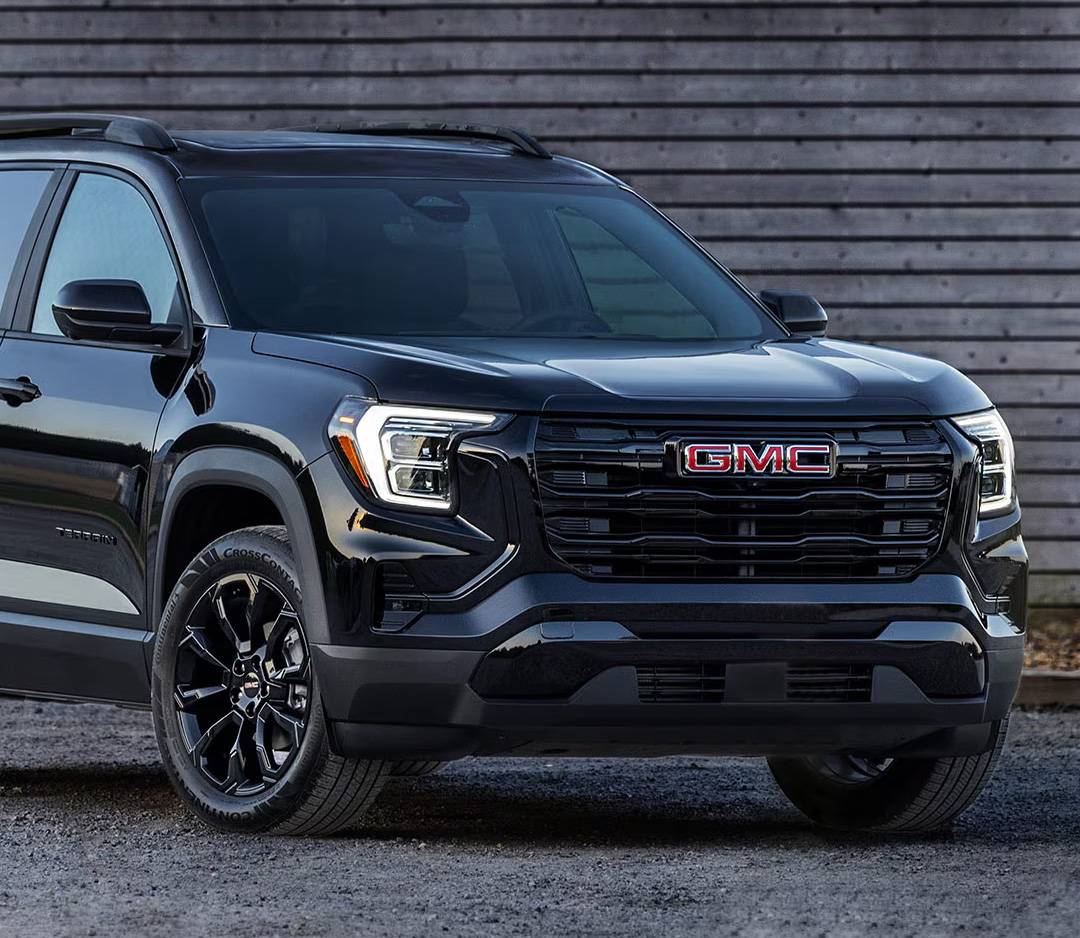
Keeping your 2025 GMC Terrain running smoothly starts with one essential task—regular transmission fluid changes. Transmission fluid keeps your Terrain’s gears shifting seamlessly, preventing wear and overheating. Over time, this fluid breaks down, affecting performance and efficiency. Whether you’re a DIY enthusiast or considering professional service, knowing how to change your transmission fluid is key to maintaining your vehicle’s longevity.
In this guide, we’ll walk you through the process step by step, ensuring your Terrain stays in top shape for every drive through Inwood, Auburndale, Eloise, Eagle Lake, and Wahneta. If you’d rather leave it to the experts, the certified technicians at Central Buick GMC are ready to help. Contact us today to schedule your GMC Terrain’s transmission service and keep your vehicle running like new!
Why a Transmission Fluid Change is Essential for Your 2025 GMC Terrain
Your transmission is one of the most important parts of your 2025 GMC Terrain. It keeps your vehicle shifting smoothly and helps prevent damage to internal components. Over time, transmission fluid breaks down, losing its ability to protect and lubricate. That’s why staying on top of routine maintenance is so important.
What Happens if You Skip a Transmission Fluid Change?
When old fluid stays in your system too long, it can cause problems such as:
- Rough or delayed shifting – Worn-out fluid struggles to keep gears moving smoothly.
- Overheating – Dirty fluid leads to excess friction, which can overheat your transmission.
- Increased wear and tear – Without proper lubrication, internal parts grind against each other.
- Expensive repairs – A neglected transmission can fail, leading to costly service or even replacement.
A routine transmission fluid change helps prevent these issues, keeping your Terrain running at its best.
Signs Your Terrain Needs a Transmission Fluid Replacement
Not sure if it’s time for a 2025 GMC Terrain trans service? Look out for these warning signs:
- Slipping gears – Your vehicle struggles to stay in gear or shifts unpredictably.
- Strange noises – Whining or grinding sounds when driving.
- Burning smell – Overheated fluid can create a strong, burnt odor.
- Dark or dirty fluid – Clean transmission fluid should be bright red. If it’s dark, it’s time for a change.
Ignoring these signs can lead to serious damage. A Terrain fluid replace service is a simple way to avoid bigger problems down the road.
Taking care of your transmission now can save you from expensive repairs later. In the next section, we’ll cover how often you should replace your transmission fluid to keep your Terrain performing like new.
How Often Should You Change the Transmission Fluid in a 2025 GMC Terrain?
Keeping up with routine maintenance is the best way to extend the life of your transmission. A transmission fluid change helps prevent wear, overheating, and shifting issues. But how often should you replace the fluid in your 2025 GMC Terrain?
GMC’s Recommended Service Intervals
Most vehicles follow a general guideline for transmission fluid replacement, but your driving habits also play a role. Here’s what to keep in mind:
- Normal driving – Many experts recommend a 2025 GMC Terrain trans service every 45,000 to 60,000 miles.
- Heavy towing or stop-and-go traffic – If you haul loads or drive in city traffic, fluid may need to be changed as early as 30,000 miles.
- Extreme heat or cold – Harsh temperatures can break down fluid faster, requiring more frequent changes.
Always check your owner’s manual for exact recommendations.
Checking Your Transmission Fluid
Not sure if you need a transmission fluid change? You can check the fluid at home:
- Look at the color – Fresh fluid is bright red. If it’s dark or dirty, it may be time for a Terrain fluid replace service.
- Check for a burnt smell – Overheated fluid smells burnt and should be changed.
- Watch for shifting issues – If your Terrain shifts roughly or hesitates, the fluid may be too old to work properly.
Regular 2025 GMC Terrain trans service keeps your SUV running smoothly. In the next section, we’ll go over the tools and materials needed to replace the fluid.
Tools and Materials You’ll Need for a Transmission Fluid Change
Changing the transmission fluid in your 2025 GMC Terrain requires the right tools and supplies. Having everything ready before you start will make the job easier and help prevent mistakes.
Essential Tools
To complete a transmission fluid change, you’ll need:
- Socket set and wrench – For removing the drain plug and transmission pan bolts.
- Drain pan – To catch the old fluid and prevent spills.
- Funnel – Helps pour new fluid into the system without making a mess.
- Jack and jack stands – Lifts the Terrain off the ground for better access.
- Rubber gloves – Protects your hands from hot or dirty fluid.
Necessary Materials
For a 2025 GMC Terrain trans service, make sure you have:
- New transmission fluid – Always use the type recommended in the owner’s manual.
- Replacement filter – A fresh filter keeps the system free of debris.
- New gasket or sealant – Prevents leaks when reinstalling the transmission pan.
- Shop rags or towels – Wipes up any spills and keeps parts clean.
Having these tools and materials ready will make your terrain fluid replace process smooth and efficient. In the next section, we’ll go over how to safely drain the old transmission fluid.
Steps to Drain the Old Transmission Fluid
Draining the old transmission fluid is the first step in keeping your 2025 GMC Terrain running smoothly. Old fluid collects dirt and debris over time, making a transmission fluid change essential for proper performance. Follow these steps to drain it safely and efficiently.
Preparing for the Fluid Drain
Before getting started, take these safety steps:
- Park on a level surface – This prevents fluid from pooling in one area.
- Turn off the engine – Let the vehicle cool before working on it.
- Lift the Terrain if needed – Use a jack and secure jack stands for better access.
Draining the Fluid
Once everything is set, follow these steps for a terrain fluid replace:
- Place a drain pan under the transmission – Make sure it can hold all the old fluid.
- Remove the drain plug – Use a wrench to loosen it and let the fluid flow out.
- Check the fluid condition – If it looks dark or has a burnt smell, it was overdue for a change.
- Reinstall the drain plug – Tighten it securely to prevent leaks.
Draining the old fluid is only part of the process. In the next section, we’ll cover how to replace the filter and clean the pan before adding fresh fluid.
Replacing the Transmission Filter and Cleaning the Pan
After draining the old fluid, the next step is to replace the transmission filter and clean the pan. These steps help remove built-up debris and ensure your 2025 GMC Terrain continues to run smoothly.
Removing the Old Filter
The filter traps dirt and metal particles that can harm your transmission. Over time, it clogs and needs to be replaced.
- Locate the transmission filter – It’s inside the transmission pan, secured with bolts or clips.
- Carefully remove the old filter – Some fluid may still drain out, so keep your pan underneath.
- Check the old filter for debris – If you see metal shavings, your transmission may need further inspection.
Cleaning the Transmission Pan
A clean pan helps prevent future contamination. Before installing the new filter, take a few extra minutes to clean it properly.
- Wipe out old fluid and sludge – Use a clean rag to remove any residue.
- Inspect the pan for damage – Look for cracks or excessive wear.
- Replace the gasket if needed – A worn gasket can lead to leaks after a transmission fluid change.
Once the pan is clean and the new filter is in place, you’re ready for the next step. In the following section, we’ll cover how to add fresh fluid and check the levels for a successful terrain fluid replace.
Frequently Asked Questions
Where is the transmission fluid dipstick or fill plug located on a 2025 GMC Terrain?
The 2025 GMC Terrain does not have a traditional transmission dipstick. Instead, it uses a sealed transmission system. The fill plug is typically located on the side of the transmission case and requires the vehicle to be lifted for access.
Can I use the same type of fluid in different GMC models, including the Terrain?
No, you should always use the specific transmission fluid recommended in your GMC Terrain’s owner’s manual. Different models may require different fluid formulations to maintain proper performance and prevent damage.
What signs indicate a need for immediate transmission fluid replacement?
Signs that you need a transmission fluid change include rough or delayed shifting, slipping gears, a burning smell, dark or dirty fluid, and unusual noises such as whining or grinding.
Expert GMC Service & Vehicles at Central Buick GMC
Keeping up with routine maintenance helps your 2025 GMC Terrain perform at its best. A simple fluid change can prevent costly repairs and keep your transmission running smoothly. If you need expert service, Central Buick GMC is here to help.
Drivers in Inwood, Auburndale, Eloise, Eagle Lake, and Wahneta can visit our dealership for professional transmission service and more. Whether you need routine maintenance or are searching for your next vehicle, we have a wide selection of new GMC models and pre-owned GMC models, including the Terrain.
Looking for more ways to get the most out of your vehicle? Learn how to fold and adjust the seats in your Buick, get tips on adjusting your mirrors for better visibility, or find out how to protect your GMC’s resale value with smart maintenance.
When it’s time for service, schedule an appointment with our expert technicians today. Book your GMC service here and keep your vehicle in top shape for the road ahead.
Get Directions to Central Buick GMC
Disclaimer: All information is provided for general informational and entertainment purposes only. While we strive for accuracy, we cannot guarantee that all content is complete, current, or error-free. Any reliance you place on such information is strictly at your own risk. This article may include opinions and is not endorsed by, or officially affiliated with, any vehicle manufacturer or brand. Always consult official sources – such as the vehicle’s owner’s manual, authorized dealerships, or certified professionals – for the most up-to-date and personalized information.
Connect with us


- February 2026
- November 2025
- October 2025
- September 2025
- August 2025
- July 2025
- June 2025
- May 2025
- April 2025
- March 2025
- February 2025
- January 2025
- December 2024
- November 2024
- October 2024
- September 2024
- August 2024
- July 2024
- June 2024
- May 2024
- April 2024
- March 2024
- February 2024
- January 2024
- December 2023
- November 2023
- October 2023
- September 2023
- August 2023
- June 2023
- March 2023
- February 2023
- December 2022
- November 2022
- August 2022
- June 2022
- April 2022
- March 2022
- January 2022
- October 2021
- September 2021
- July 2021
- June 2021
- May 2021
- April 2021
- March 2021